
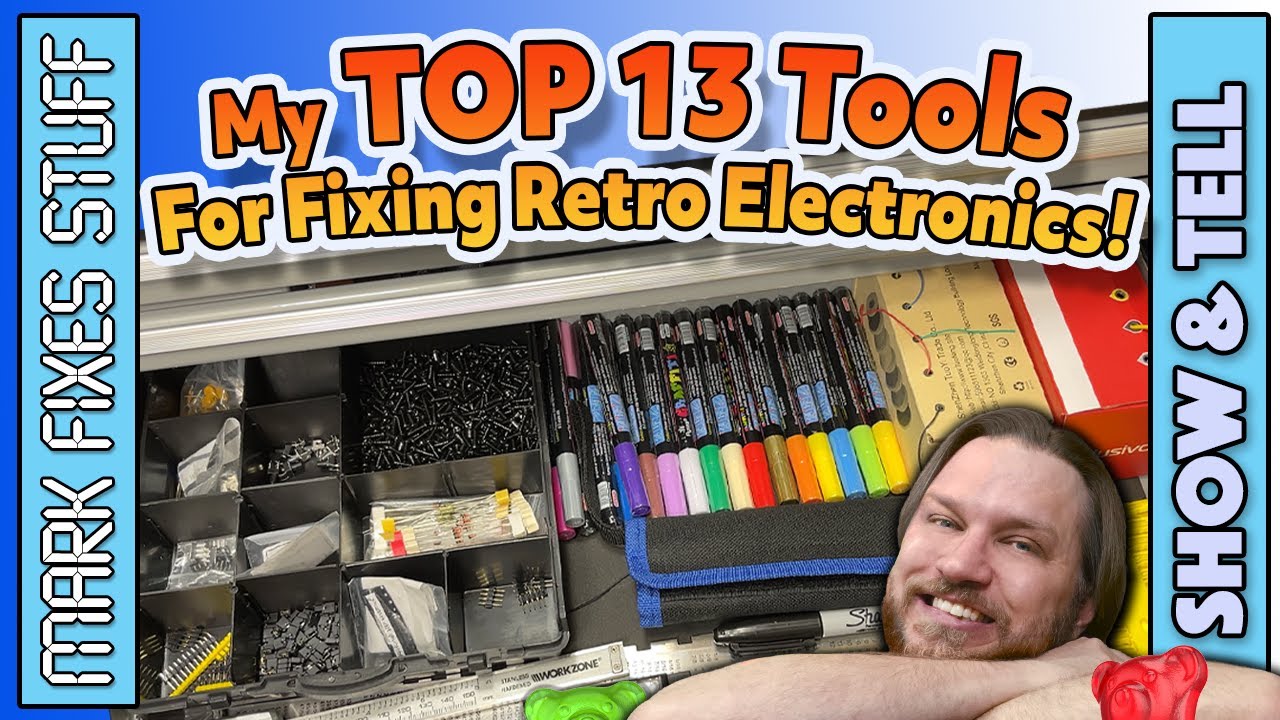
Hello Fix Fans! By popular demand, here’s a whistle-stop tour of my top tools for fixing retro electronics. This won’t be the same list as anyone else’s, and it’s a personal list that sometimes changes, but these are the 13 tools (plus a runner-up) I reach for most when a dead console or computer lands on the bench. This video was sponsored by PCBWay.
The links below are affiliate links that help the channel, and some are substitute items rather than the exact model I own.
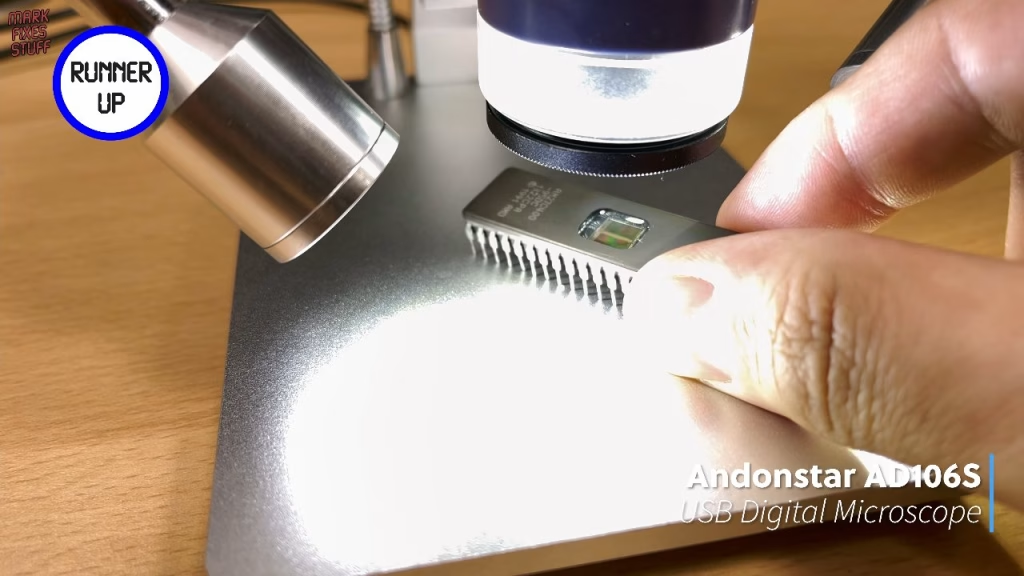
Runner-up: a digital microscope
My special runner-up is the Andonstar AD106S digital microscope. With my ageing eyes, it has helped me find cracked joints, solder bridges and damaged tracks time and time again.
13 to 11: test and power gear
13. A digital oscilloscope. A scope draws a graph of signal changes over time, so it shows you things a multimeter simply can’t. (The first analogue scope I ever used still works to this day.)
12. A bench power supply. The lazy fixer’s dream: no more searching through boxes for the right DC supply. My Duratool bench supply handles DC circuits up to 18 volts, and as a bonus I can limit the current a circuit can draw, which is handy when troubleshooting a dodgy unit.
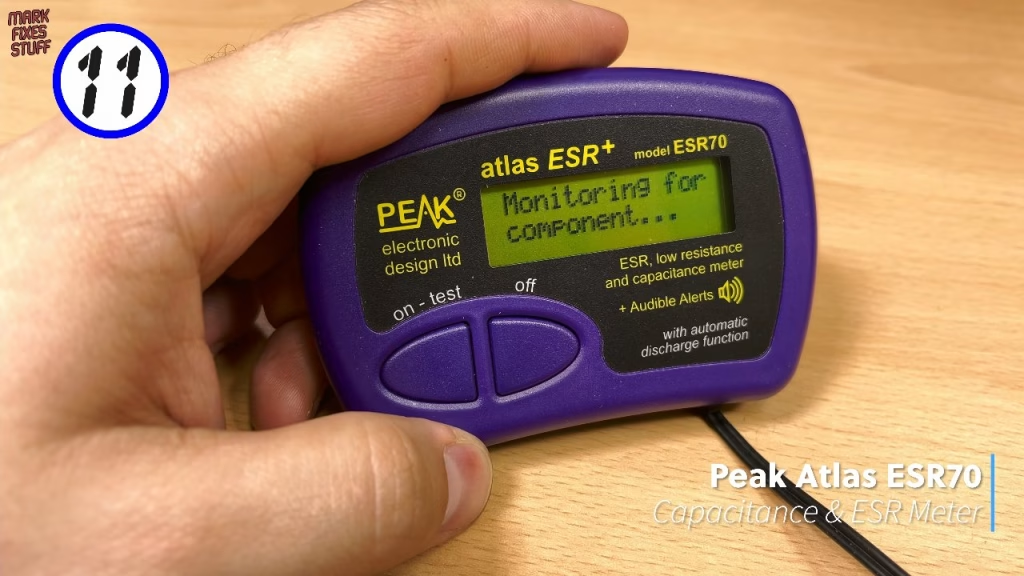
11. The Peak Atlas ESR70. A firm favourite. This little wonder checks capacitance and the equivalent series resistance of capacitors, sometimes even in circuit, which is a real time saver when hunting bad caps in retro machines.
10 to 8: cleaning supplies
10. Fluids. IPA for degreasing PCBs, window cleaner for dirty cases, liquid flux to aid soldering, contact cleaner for sockets and ports, and acetone for extreme cleaning.
9. Buds, pads and cloths. Keep your own stock so you don’t upset the people you live with.
8. Two tools, one purpose. The fibreglass pencil is great for cleaning connectors, scraping solder mask or removing rust. Be warned: the fragments that break off are sharp like cactus needles, and you don’t want them in your skin or eyes. For bigger, harsher jobs there’s the brass wire pencil.
7 to 5: screwdrivers and cutters
7. A multi-bit screwdriver set. Mine came from a budget supermarket chain and has paid for itself many times over (this is a similar set).
6. Flush angled side cutters. They say buy cheap, buy twice, but I have several pairs of budget cutters. Why so many? They have a magical ability to turn invisible when you’re looking for them.
5. A rechargeable electric screwdriver. I’m too old for extended manual screwing sessions, and this saves my wrist.
4 and 3: hot air, hot plate and desoldering
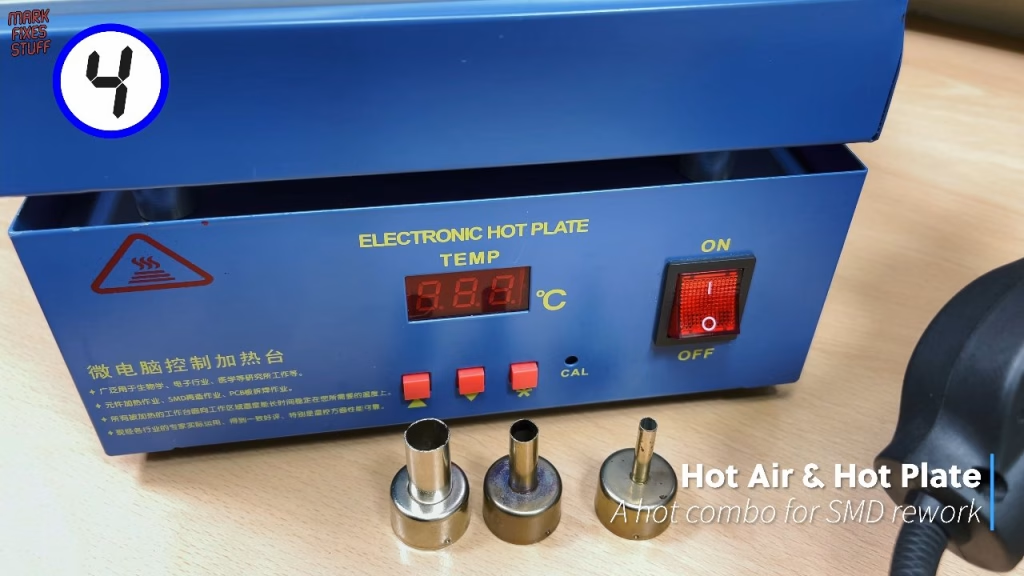
4. A hot air rework station with a flatbed hot plate. Setting the plate to about 120°C and putting the board on top means less hot air reworking stress and less board warping than hot air alone.
3. Desoldering tools. My Duratool desoldering station has saved me countless hours on repairs (and you feel like James Bond brandishing it). If manual pumping is more your jam, the SS-02 desoldering pump has a flexible, highly temperature-resistant silicone tip that gets close to the hot solder.
2 and 1: the essentials
2. A multimeter. No shock here: everybody needs one, and they don’t need to be expensive to be useful. Mine is a budget model that was a gift from my children, so it has a treasured place on my bench. I can’t imagine doing any repair without one.
1. A temperature-controlled soldering iron. Temperature control means more or less power is applied automatically to keep the tip temperature stable. I actually have two of them (or even this one); they’re fairly inexpensive, and it means I can keep a large tip ready for big jobs like shielding and a small tip for surface mount work without swapping mid-job.
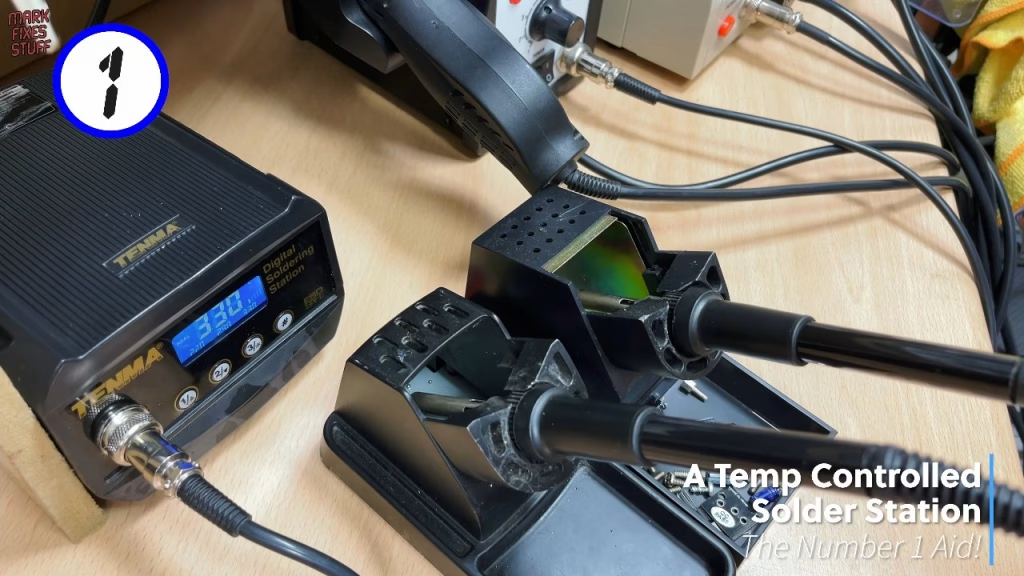
Bonus tip: wet sponges lower your tip temperature and leave mineral deposits on the tip. I use a brass wire tip cleaner instead and find my tips stay much cleaner.
Related
See some of these tools at work: the hot air approach in removing SMD can capacitors without hot air, the multimeter in testing a 7805 regulator in a Spectrum, and the iron in repairing a dry, cold or cracked solder joint.